
Key Insights
- Optimize SEO titles to be under 60 characters for better visibility.
- Use primary keywords at the beginning of titles for maximum impact.
- Meta descriptions should be concise, ideally between 150-160 characters.
- Yoast SEO provides real-time feedback to improve your titles and descriptions.
- Regularly update and test your SEO elements to maintain high Google rankings.
When it comes to improving your Google rankings, SEO titles and meta descriptions are your first impression. They are the gateway to your content, and optimizing them is crucial for attracting more clicks and improving your site’s visibility.
Boosting Your Google Rankings with Yoast SEO

“Google’s 200 Ranking Factors: The …” from backlinko.com
Yoast SEO is a powerful tool that can help you fine-tune your SEO strategy, particularly in crafting effective titles and meta descriptions. These elements are critical because they directly influence how your content appears in search results. The right title can significantly boost your click-through rates, while a well-crafted meta description can entice users to visit your page.
Most importantly, Yoast SEO offers features that make the process straightforward, even for beginners. By providing clear guidelines and real-time feedback, Yoast ensures that your titles and descriptions are optimized for search engines and appealing to users.
“Your SEO title is the first thing people see in the search results, so make it good, short, and to the point!”
The Significance of SEO Titles and Meta Descriptions
SEO titles and meta descriptions serve as the digital billboard for your content. A compelling SEO title can make the difference between a user clicking on your link or scrolling past it. Therefore, crafting a title that is both informative and engaging is essential.
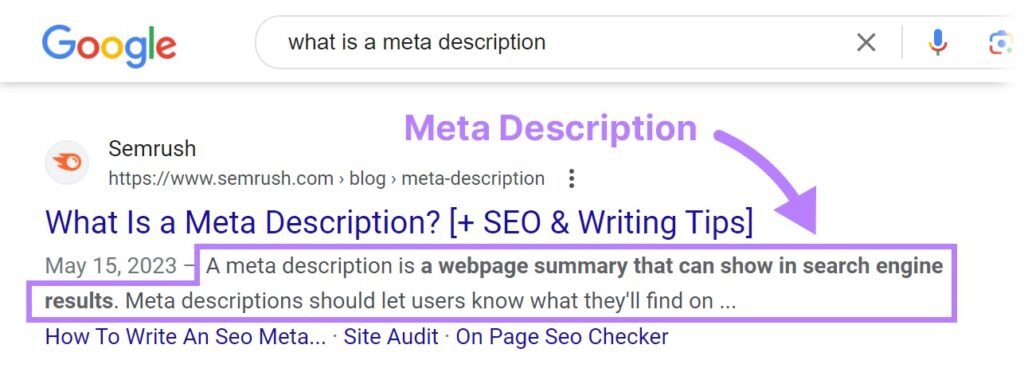
Meta descriptions, on the other hand, provide a brief summary of what users can expect on the page. They should align closely with the content to avoid misleading users, which could increase your bounce rate. Additionally, they must include relevant keywords to signal search engines about the page’s content. For more detailed guidance, check out how to create the right meta description.
How Yoast SEO Tools Enhance Your Visibility
Yoast SEO offers a suite of tools designed to enhance your content’s visibility. One of its key features is the snippet preview, which allows you to see how your title and meta description will appear in Google search results. This preview helps you make necessary adjustments to ensure everything fits perfectly.
“Yoast SEO will let you know when you’ve reached the optimal length for your SEO title and meta description.”
Besides that, Yoast provides an analysis of your titles and descriptions, checking for keyword usage, length, and overall effectiveness. This feedback is invaluable as it helps you refine your approach and continuously improve your SEO strategy.
Understanding Google’s Use of Titles and Meta Descriptions
Google uses titles and meta descriptions to understand the content of your page and to decide how it should be ranked in search results. If these elements are well-optimized, Google is more likely to consider your page as a relevant result for search queries, which can improve your ranking.
Additionally, these elements impact user experience. A clear, concise title and description help users quickly determine if your content meets their needs. Therefore, it’s essential to ensure they accurately reflect your page’s content and include relevant keywords to guide search engines.
Creating Effective SEO Titles Using Yoast

“How to Craft the Perfect SEO Page Title” from www.elegantthemes.com
Creating effective SEO titles is both an art and a science. You want to capture attention while also ensuring that your title is optimized for search engines. Let’s dive into how you can achieve this with Yoast SEO.
Crafting Titles that Capture Attention
Your title is the first thing potential visitors see, so it must stand out. Use action words and emotional triggers to make your title compelling. Additionally, keep it concise and to the point, ideally under 60 characters, to ensure it displays correctly in search results. For more tips on optimizing your titles and descriptions, check out this guide on Meta Title and Description Tags in SEO.
Incorporating Primary Keywords
Keywords are the backbone of SEO. Incorporate your primary keyword at the beginning of your title to maximize its impact. This placement helps search engines quickly identify the relevance of your content to user queries.
Testing Title Performance with Yoast
Once you’ve crafted your title, it’s essential to test its performance. Yoast SEO provides insights into how well your title is optimized and suggests improvements. Regularly review and update your titles to keep them aligned with current SEO trends and user interests.
Character Limits and the Best Practices
When writing meta descriptions, character limits are crucial. They ensure that your description is fully visible in search results. Ideally, your meta description should be between 150-160 characters. This range provides enough space to convey your message without being cut off. For more on optimizing your site, check out these WordPress SEO best practices.
Besides length, clarity and relevance are key. Your meta description should clearly summarize the page content and include your primary keyword. This helps search engines understand the context of your page and improves your ranking potential. For additional tips on optimizing your WordPress site, check out these proven WP Rocket techniques.
- Keep descriptions between 150-160 characters.
- Include your primary keyword naturally.
- Ensure the description accurately reflects page content.
Remember, a well-crafted meta description not only helps with SEO but also encourages users to click on your link. It’s your opportunity to make a compelling case for why someone should visit your page.
Including Keywords Naturally in Descriptions
Incorporating keywords into your meta descriptions is vital for SEO. However, it’s important to do so naturally. Keyword stuffing can make your description sound awkward and could lead to penalties from search engines.
Instead, aim to integrate keywords seamlessly into your description. Focus on creating a narrative that flows well and provides value to the reader. This approach not only benefits your SEO but also enhances the user experience.
Matching Meta Descriptions to Page Content
Consistency between your meta description and page content is essential. Misleading descriptions can result in high bounce rates, as users may leave your site if they don’t find what they were promised.
To avoid this, ensure that your meta description accurately summarizes the content on your page. This not only helps with SEO but also builds trust with your audience, encouraging them to explore your site further. For those using WordPress, consider these proven WP Rocket techniques to enhance site performance.
Utilizing Yoast SEO Tools
“Beginner’s Guide to Yoast SEO for …” from www.streamline.us
Yoast SEO offers a variety of tools to help you optimize your titles and meta descriptions. These features are designed to simplify the process and provide actionable insights to improve your SEO strategy.
Setting Up Yoast Title and Meta Description Templates
- Navigate to the Yoast SEO settings in your WordPress dashboard.
- Select “Search Appearance” from the menu.
- Under the “Content Types” tab, you can set default templates for titles and meta descriptions.
Using these templates ensures consistency across your site and saves time when publishing new content. You can customize them based on your preferences and update them as needed to reflect changes in your SEO strategy.
Moreover, these templates can include variables, allowing for dynamic content generation. For example, you can use a variable to automatically insert the post title or site name into your meta description.
By setting up these templates, you streamline the SEO process and maintain a cohesive brand message across your website. For more guidance, consider following our multilingual site creation guide to enhance your global reach.
Previewing Snippets in Google Search Results
One of the most valuable features of Yoast SEO is the snippet preview. This tool shows you how your title and meta description will appear in Google search results. It’s a great way to ensure everything fits within the character limits and looks appealing to users.
Using Yoast Premium Features for Enhanced SEO
While the free version of Yoast SEO offers robust features, the premium version provides additional tools to further enhance your SEO strategy. With Yoast SEO Premium, you gain access to features like internal linking suggestions, content insights, and the ability to optimize for multiple keywords.
These premium features can give you a competitive edge by providing deeper insights into your content’s performance and offering more advanced optimization options. Investing in Yoast SEO Premium can be a worthwhile decision for those serious about improving their site’s search engine rankings.
Common Mistakes to Avoid
“What Is a Meta Description? (+ How to …” from www.semrush.com
Even with the best tools, it’s easy to make mistakes when optimizing your SEO titles and meta descriptions. Being aware of these pitfalls can help you avoid them and improve your overall strategy. For more insights, check out these WordPress SEO best practices.
Let’s explore some of the most common mistakes and how to prevent them, such as using WP Rocket techniques to boost your site’s speed.
Overloading Keywords
One of the biggest mistakes is keyword stuffing. While it’s important to include keywords, overloading your title or description can make it sound unnatural and spammy. This can negatively impact your SEO and deter users from clicking on your link. For more on optimizing your content, check out these WordPress SEO best practices.
Instead, focus on creating a natural flow that incorporates keywords seamlessly. Remember, quality is more important than quantity when it comes to keywords.
Creating Vague or Misleading Descriptions
Another common mistake is creating vague or misleading meta descriptions. These can lead to high bounce rates, as users may feel deceived when they don’t find what they expected on your page. To prevent this, consider using proven techniques that enhance user experience and content relevance.
To avoid this, ensure that your description accurately reflects the content on your page. Be clear and concise, and provide a compelling reason for users to visit your site.
Ignoring Mobile Optimization
In today’s digital age, mobile optimization is no longer optional—it’s essential. Many users access the internet primarily through their mobile devices. Therefore, ensuring your SEO titles and meta descriptions are optimized for mobile viewing is crucial.
Mobile screens display fewer characters, so keeping your titles and descriptions concise is even more important. Test your site’s mobile friendliness using tools like Google’s Mobile-Friendly Test to ensure your content is accessible and engaging on all devices.
Final Thoughts on Yoast SEO for Better Rankings
Optimizing your SEO titles and meta descriptions is a powerful way to enhance your website’s visibility and attract more visitors. Yoast SEO offers the tools and insights you need to craft compelling, effective titles and descriptions that boost your Google rankings. If you’re transitioning platforms, consider our Wix to WordPress migration guide to maintain your SEO efforts.
By following best practices and leveraging Yoast’s features, you can create a more engaging and user-friendly online presence. Remember, SEO is an ongoing process that requires regular monitoring and adjustments to stay ahead of the competition.
Consistent SEO Practices are Key
Consistency is crucial when it comes to SEO. Regularly updating your titles and descriptions to reflect changes in your content and industry trends ensures that your site remains relevant and competitive. Make it a habit to review and optimize these elements regularly.
Monitoring Your Rankings and Adjusting Strategies
Keep an eye on your site’s performance using tools like Google Analytics and Google Search Console. These platforms provide valuable insights into how your content is performing and where improvements can be made. Use this data to adjust your SEO strategies and continue refining your approach.
Frequently Asked Questions
As you work on improving your SEO titles and meta descriptions, you might have some questions. Let’s address some common queries to help you on your SEO journey.
What are the optimal character limits for meta descriptions?
Meta descriptions should ideally be between 150-160 characters. This range ensures that your description is visible in search results without being cut off, providing a clear and concise summary of your page content.
Can Yoast SEO improve my Google rankings automatically?
While Yoast SEO provides valuable tools and insights, improving your Google rankings requires consistent effort and strategy. Yoast helps guide you in optimizing your content, but regular updates and monitoring are necessary for sustained success.
How often should I update my SEO titles and meta descriptions?
It’s a good practice to review and update your SEO titles and meta descriptions at least once a quarter. This ensures that they remain relevant and aligned with any changes in your content or industry trends.
Does using keywords improve my SEO title’s effectiveness?
Yes, incorporating relevant keywords into your SEO titles can significantly improve their effectiveness. Keywords help search engines understand the content of your page and can improve your ranking for relevant queries.
What should I do if my meta descriptions aren’t showing up on Google?
If your meta descriptions aren’t appearing in search results, it may be due to Google’s algorithm choosing a different snippet from your page. Ensure that your descriptions are relevant and accurately reflect your content. Regularly updating them can also help.
- Check if the description aligns with page content.
- Ensure the description is unique and not duplicated across pages.
- Consider updating the description to make it more engaging.
In conclusion, optimizing your SEO titles and meta descriptions is a critical component of a successful SEO strategy. By leveraging the tools and insights provided by Yoast SEO, you can enhance your site’s visibility, attract more visitors, and ultimately improve your Google rankings. Remember, SEO is a journey, not a destination—stay committed to continuous improvement and adaptation.
Creating a multilingual website can significantly expand your audience reach and improve user experience. By offering content in multiple languages, you cater to a broader demographic, enhancing engagement and conversion rates. For those looking to implement this strategy, consider using tools like WPML. You can follow this WPML multilingual site creation guide to ensure a seamless setup process.


Leave a Reply