
- 99% of shoppers read reviews before making a purchase — making customer review management one of the highest-ROI activities for any business.
- A four-phase framework — Gather, Analyze, Respond, and Leverage — turns scattered feedback into a repeatable growth system.
- Responding to negative reviews correctly can actually convert unhappy customers into loyal repeat buyers — the strategy is covered in detail below.
- Fake reviews are a growing threat, and knowing how to spot and report them protects your brand’s credibility on major platforms.
- Automation tools and centralized dashboards eliminate the manual bottlenecks that prevent most businesses from scaling their review strategies effectively.
Most businesses collect reviews by accident — the ones that win do it on purpose.
Customer reviews are no longer just social proof. They are a direct driver of revenue, search visibility, and brand trust. Yet most businesses still treat review management as an afterthought — checking in occasionally and hoping for the best. That passive approach leaves serious money and reputation on the table.
For businesses looking to turn feedback into a competitive advantage, resources like customer review strategy guides break down exactly how to build a system that works at scale. This article covers everything from collecting more reviews to handling negative feedback and spotting fraud — with the specific tactics that actually move the needle.
What Is Customer Review Management
Customer review management is the active process of gathering, monitoring, responding to, and leveraging customer feedback across online platforms. It is not simply watching your star rating fluctuate — it is a deliberate strategy that treats every review as a data point and every response as a public message to future buyers.
Why Passive Review Monitoring Is Not Enough
Simply checking your Google or Yelp page once a week is not a strategy — it is damage control. Passive monitoring means you are always reacting instead of leading. By the time you notice a pattern of negative feedback, dozens of potential customers have already seen it and moved on to a competitor. For more insights on effective strategies, explore this review management guide.
An active review management strategy means you are soliciting feedback at the right time, catching issues early, responding within hours not days, and continuously feeding what you learn back into your product and service decisions. The difference between passive and active management is the difference between letting your reputation happen to you and building it deliberately.
How Review Management Directly Impacts Revenue
The numbers are hard to ignore. Reviews build crucial trust with the 99% of shoppers who read them before purchasing, and they significantly improve conversion rates while strengthening local SEO rankings. A higher volume of recent, positive reviews signals relevance and authority to search engines — which means more visibility, more traffic, and more sales.
Beyond acquisition, reviews also reduce buyer hesitation at the point of decision. A product page with 200 reviews converts at a measurably higher rate than one with 12, even if the average star rating is identical. Volume and recency both matter, as highlighted in this article on how online reviews influence shoppers.
Review management also functions as a free market research channel. Recurring themes in negative reviews point directly to fixable problems. Consistent praise in positive reviews tells you exactly what to double down on and how to position your marketing. For more insights, check out this review management guide.
Bottom line: Review management is not a reputation task — it is a revenue task. Businesses that treat it as a core operation, not an admin function, consistently outperform those that do not.
The Four-Phase Review Management Framework
Managing customer reviews effectively comes down to four repeatable phases. Each one builds on the last to create a feedback loop that improves your business while simultaneously building public trust. For more insights, explore how brands can improve a review score to enhance their reputation.
Phase 1: Gather Reviews Proactively Across Multiple Channels
The biggest reason businesses have too few reviews is simple: they never ask. Most satisfied customers will not leave a review unprompted — not because they do not care, but because the moment passes and life moves on. Proactive solicitation closes that gap. For more tips, check out this guide on encouraging positive customer reviews.
The most effective timing for a review request is immediately after a positive experience — post-purchase, post-delivery, or post-service completion. Automated email sequences triggered by purchase events are the most scalable way to do this. SMS requests outperform email in open rates, making them especially effective for mobile-first audiences.
Phase 2: Analyze Feedback for Patterns and Trends
Individual reviews are anecdotes. Patterns across hundreds of reviews are intelligence. Once you are generating consistent review volume, the next priority is analyzing that data systematically — looking for recurring product complaints, service bottlenecks, standout staff mentions, and language that reflects how your customers actually describe your value. Sentiment analysis tools can automate much of this work at scale, flagging themes without requiring you to read every single review manually.
Phase 3: Respond Publicly to Build Trust and Credibility
Every response you write to a review is being read by far more people than just the reviewer. Future customers are watching how you handle criticism, how gracious you are with praise, and whether you engage at all. A business that responds thoughtfully to both positive and negative reviews signals professionalism and accountability — two factors that directly influence purchasing decisions. For more insights, check out this guide on review management.
Phase 4: Leverage Reviews as a Marketing and Product Asset
Positive reviews are content. Specific, detailed customer praise can be repurposed into website testimonials, social media posts, email campaigns, and ad copy — often outperforming brand-generated content because it is inherently credible.
Beyond marketing, review feedback should feed directly into product and service development. If multiple customers mention that your packaging is difficult to open, that is an actionable product insight. If reviewers consistently praise your response time, that is a differentiator worth amplifying in your positioning.
The businesses that extract the most value from reviews are the ones that treat Phase 4 not as optional, but as the natural output of a well-run system.
|
Phase |
Core Action |
Primary Tool |
Business Outcome |
|---|---|---|---|
|
1. Gather |
Proactively request reviews post-purchase |
Email / SMS automation |
Higher review volume and recency |
|
2. Analyze |
Identify patterns and recurring themes |
Sentiment analysis software |
Actionable product and service insights |
|
3. Respond |
Reply publicly to all review types |
Centralized review dashboard |
Improved brand trust and conversion |
|
4. Leverage |
Repurpose reviews in marketing and development |
CRM / content tools |
Lower acquisition cost, stronger positioning |
How to Collect More Customer Reviews
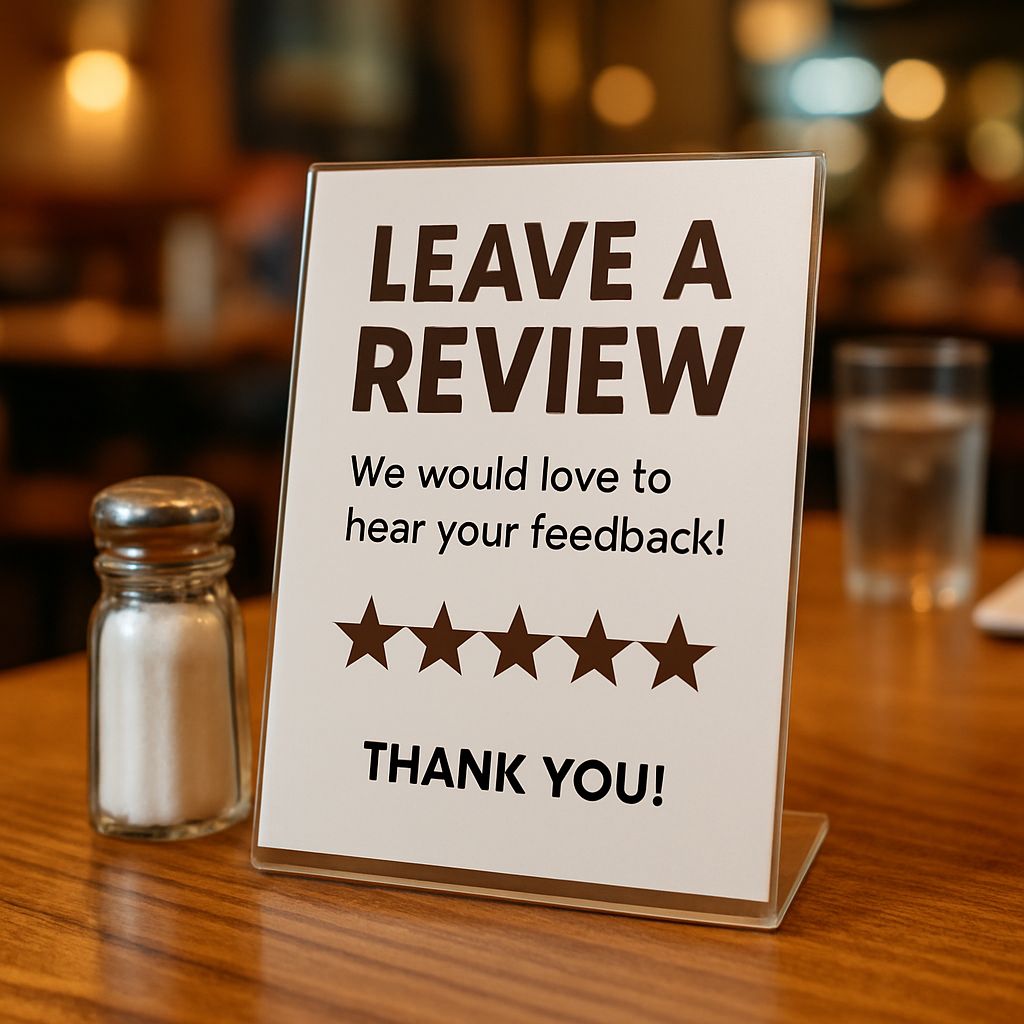
Getting customers to actually leave reviews requires removing friction and hitting them at the right moment. The strategies below are ranked by effectiveness and scalability.
Post-Purchase Email Sequences That Actually Get Responses
The timing of your review request matters more than almost any other variable. Emails sent within 24 to 48 hours of a confirmed delivery or service completion consistently outperform those sent days later, when the experience has faded. Your subject line should be direct — something like “How did we do?” performs better than elaborate promotional language because it feels personal, not automated.
Keep the email itself short. One sentence of context, one clear ask, and one prominent link to your preferred review platform. If your first email goes unanswered, a single follow-up sent three to five days later can recover a significant percentage of responses without feeling pushy. Anything beyond two touchpoints starts to damage goodwill, so stop there. For more insights, check out these tips for encouraging positive customer reviews.
SMS Review Requests for Higher Open Rates
SMS messages carry open rates that email simply cannot match — often exceeding 90% compared to email’s average of around 20 to 30%. For review requests, that difference is enormous. A well-timed text message sent shortly after purchase or service completion, with a direct link to leave a review, can dramatically increase your review volume with minimal effort. To understand more about how online reviews influence shoppers, explore the impact and effects they have.
The key is brevity and personalization. A message that reads “Hi [First Name], thanks for your recent order — we’d love your feedback. It only takes 60 seconds: [link]” outperforms generic blast messages because it feels like a direct communication, not a bulk notification. Always ensure you have opt-in consent before sending SMS outreach to comply with messaging regulations.
Loyalty Points and Incentives That Drive Participation
Incentivizing reviews requires careful execution. Offering loyalty points, store credit, or early access to new products in exchange for leaving a review — not specifically a positive review — is a widely accepted practice that meaningfully increases participation rates. The critical distinction is that you are rewarding the act of reviewing, not the outcome, which keeps your feedback authentic and compliant with platform guidelines.
The most effective incentive programs are built directly into the post-purchase flow, so customers see the reward offer immediately after completing a transaction. Some of the most common formats that work well include customer review management strategies.
- Loyalty point bonuses credited automatically after a verified review is submitted
- Percentage-off discount codes delivered via email once a review goes live
- Entry into a monthly prize draw for customers who leave feedback within a set window
- Early access to new products or sales as a reward for consistent review contributors
- Tiered rewards where customers who leave detailed reviews with photos receive higher-value incentives
Whatever format you choose, make the reward visible upfront. Customers are far more likely to act when they know the benefit before they invest their time. For more insights on the importance of online reviews, check out this guide.
How to Respond to Positive Reviews
Responding to positive reviews is not just courtesy — it is a conversion tool. When a potential customer reads a glowing five-star review and sees that your business took the time to respond warmly and specifically, it reinforces the trust the review already built. A strong response to a positive review acknowledges the specific detail the customer mentioned, expresses genuine appreciation without sounding scripted, and — where natural — includes a subtle reference to another product, service, or upcoming offer. Keep it short, keep it human, and avoid copy-pasting the same response template across every review. Identical responses signal automation, which undercuts the authenticity you are trying to project.
How to Handle Negative Reviews Without Damaging Your Brand
A negative review handled well is often more powerful than a five-star review. Prospective customers are not looking for perfection — they are looking for evidence that when something goes wrong, your business handles it with integrity. Your response to criticism is a public demonstration of your values, and getting it right can be the deciding factor for someone on the fence about buying from you.
The Right Tone and Language to Use in Difficult Responses
Lead with acknowledgment, not defense. The instinct to explain or justify is understandable, but it almost always makes things worse publicly. A response that opens with “We’re sorry to hear your experience didn’t meet expectations, and we take this seriously” lands very differently than one that opens with “We’re sorry you feel that way, but our policy clearly states…” — even if both responses contain the same factual information.
Avoid using the customer’s specific complaint in your opening line, as this can amplify the negative content in search results where your response appears as a snippet. Keep your language calm, professional, and solution-focused. Phrases like “we’d like to make this right,” “your feedback helps us improve,” and “please reach out directly so we can resolve this” consistently perform better in terms of public perception than defensive or dismissive language.
When to Take the Conversation Offline
Some situations are too complex, too emotionally charged, or too detail-specific to resolve effectively in a public comment thread. When a complaint involves order specifics, personal account information, a safety concern, or a customer who is clearly very upset, the right move is to acknowledge the issue publicly and then move the resolution to a private channel.
Your public response should be brief: acknowledge the experience, express genuine concern, and provide a direct contact method — a customer service email address or phone number. This accomplishes two things simultaneously. It shows the public that you take complaints seriously and act on them, while giving you the space to resolve the issue properly without playing out sensitive details in front of an audience.
How to Turn a Critic Into a Repeat Customer
A dissatisfied customer who receives a fast, genuine, and effective resolution is statistically more loyal than a customer who never had a problem at all. The recovery experience creates a stronger emotional connection than a frictionless one — because it demonstrates that your business actually shows up when it matters.
- Respond within 24 hours — speed signals that you take complaints seriously
- Acknowledge the specific issue without making excuses or shifting blame
- Offer a concrete resolution — a refund, replacement, or direct follow-up call
- Follow up privately to confirm the issue was resolved to their satisfaction
- Invite them back with a goodwill gesture such as a discount on their next purchase
The customers who leave negative reviews and receive exceptional recovery experiences often become the most vocal advocates for your brand. They have a story to tell — and it is a compelling one. For more insights, explore this analysis on the impact of negative reviews.
Not every critic can be converted, but the ones who can are worth every bit of effort. The key is treating each negative review not as a threat to manage, but as a relationship to repair.
How to Spot and Deal With Fake Reviews

Fake reviews — whether malicious one-star attacks from competitors or fabricated five-star praise from sellers gaming the system — are a genuine threat to review integrity. Knowing how to identify them quickly and remove them through official channels is an essential part of protecting your brand’s credibility.
Common Warning Signs of Fraudulent Feedback
Fake reviews tend to follow recognizable patterns once you know what to look for. Reviewer profiles with no photo, zero review history, or accounts created very recently are immediate red flags. So are reviews that contain no specific product or service details — genuine customers almost always reference something concrete about their experience, whereas fabricated reviews tend to be vague or generic.
On the positive fake review side, watch for sudden spikes in five-star reviews over a very short period, especially if the language across multiple reviews sounds eerily similar. On the negative side, look for one-star reviews that mention situations that do not match your actual offerings — wrong product names, services you do not provide, or locations you do not operate in. These inconsistencies are strong indicators of targeted fraud rather than genuine customer experience.
Steps to Report and Remove Fake Reviews on Major Platforms
Each major platform has its own reporting mechanism, and knowing the process on each one saves significant time when you encounter fraudulent content.
Tools That Make Review Management Scalable
On Google, navigate to the review in question, click the three-dot menu next to it, and select “Flag as inappropriate.” For Amazon, use the “Report abuse” link directly below the review. On Yelp, click the flag icon next to the review and select the most accurate reason from the dropdown menu. Across all platforms, document everything — screenshot the review before reporting it, note the date, and keep a record of your submission in case you need to escalate.
Platform removal is not guaranteed, and response times vary widely. If a flagged review remains after several weeks, escalate through the platform’s business support channels directly. For coordinated fake review attacks — multiple fraudulent reviews appearing in a short window — consider consulting a reputation management service that has established relationships with platform trust and safety teams.
Centralized Dashboards vs. Manual Monitoring
Manually checking Google, Yelp, Amazon, TripAdvisor, Facebook, and every other relevant platform every day is simply not sustainable beyond a very small review volume. A centralized review management dashboard aggregates all incoming reviews across platforms into a single interface, sends real-time alerts when new reviews appear, and often includes response tools so you can reply without leaving the platform. Popular options in this space include Birdeye, Podium, and Reputation.com, each offering varying levels of automation, CRM integration, and reporting depth depending on your business size and budget.
Sentiment Analysis Tools for High-Volume Feedback
Once your review volume grows past a few hundred per month, reading each one individually to extract insights becomes impractical. Sentiment analysis tools use natural language processing to automatically categorize feedback by theme, emotion, and topic — flagging recurring complaints about specific products, identifying spikes in negative sentiment, and surfacing the language customers use most often to describe your brand.
Tools like Medallia, Qualtrics, and even built-in features within Birdeye can process thousands of reviews simultaneously and deliver structured reports that would take a team of analysts weeks to produce manually. The output feeds directly into Phase 2 of the four-phase framework — giving your product, marketing, and operations teams actionable data rather than raw noise. For businesses managing multi-location brands or high SKU-count catalogs, sentiment analysis is not a luxury — it is a necessity.
Stop Managing Reviews Manually — Build a System That Works for You
The businesses winning on reviews right now are not spending more time on them — they have built systems that do the heavy lifting automatically. Proactive solicitation through timed email and SMS sequences fills the top of the funnel with fresh, authentic feedback. Centralized dashboards ensure nothing slips through the cracks. Thoughtful public responses build trust with every future buyer who reads them. And sentiment analysis turns the volume of feedback into structured intelligence that actually improves your product, service, and marketing.
The four-phase framework is not complicated, but it does require intentionality. Start with Phase 1 — set up a single automated post-purchase email sequence this week and measure the impact on your review volume over the next 30 days. Then layer in the remaining phases from there. The compounding effect of a well-run review system on your search visibility, conversion rates, and customer loyalty is one of the highest-return investments a business can make with a relatively low upfront effort.
Frequently Asked Questions
What is customer review management and why does it matter?
Customer review management is the active process of gathering, monitoring, responding to, and leveraging customer feedback across online platforms. It matters because 99% of shoppers read reviews before making a purchase, meaning your review presence directly influences both your search visibility and your conversion rate. Businesses that manage reviews proactively consistently outperform those that leave their online reputation to chance.
How do I get more customers to leave reviews?
The most effective approach is to ask at the right moment — within 24 to 48 hours of a completed purchase or service experience — using automated email or SMS sequences with a direct link to your preferred review platform. Reducing friction is everything: the fewer steps between the request and the submission, the higher your completion rate. Loyalty point incentives that reward the act of reviewing — not the rating — can further increase participation without compromising review authenticity.
What is the best way to respond to a negative review?
Respond quickly, lead with genuine acknowledgment rather than defense, and keep your tone calm and solution-focused. Open with empathy — something like “We’re sorry your experience didn’t meet expectations” — and then offer a concrete path to resolution, including a direct contact method so the conversation can move offline. Speed, sincerity, and a specific offer to make things right are the three elements that consistently turn a negative public exchange into a positive brand signal for future buyers reading the thread.
How can I tell if a review is fake?
Look for reviewer profiles with no photo, no review history, or accounts created very recently. Genuine reviews almost always include specific product or service details — fake ones tend to be vague, generic, or internally inconsistent with what your business actually offers. On the negative side, watch for one-star reviews that reference wrong product names, services you do not provide, or locations you do not operate in.
On the positive fake review side, sudden spikes in five-star reviews over a very short period — especially when the language across multiple reviews sounds suspiciously similar — are a strong indicator of coordinated review fraud. Screenshot and document any suspected fake reviews immediately before reporting them through the platform’s official flagging mechanism, as reviews can sometimes be removed or altered before you have a record of them. For further insights, you might explore emerging patterns in review trends that can help identify such fraudulent activities.
What are the four phases of a review management strategy?
The four phases are Gather, Analyze, Respond, and Leverage. Each phase builds on the last to create a continuous feedback loop that simultaneously improves your business operations and strengthens your public reputation. For further insights, explore how brands can improve a review score.
Gather involves proactively soliciting reviews through automated post-purchase email and SMS sequences, timed to reach customers when their experience is freshest. Analyze means looking beyond individual reviews to identify patterns across your entire feedback dataset — recurring complaints, consistent praise, and emerging themes that point to specific product or service opportunities. Respond means publicly engaging with both positive and negative reviews in a way that builds trust with future buyers who are watching how you behave. Leverage is the phase most businesses skip — repurposing authentic customer language into marketing content and feeding review insights directly back into product and service development decisions.


Leave a Reply