
Imagine boosting your website traffic by 30% simply by organizing your keywords effectively. This is what SEMrush’s Keyword Mapping can do for you. Let’s dive into the world of keyword mapping, a crucial SEO technique that aligns your content with the search terms your audience is using.
Article-at-a-Glance
- Keyword mapping can increase website traffic by 30% by organizing keywords strategically.
- SEMrush provides tools that simplify the process of keyword mapping.
- Understanding user intent is key to effective keyword mapping.
- Regularly updating your keyword map helps maintain SEO performance.
- Avoiding keyword cannibalization can prevent competition between your own pages.
Introduction to SEMrush Keyword Mapping

“Choose SEO Keywords with Confidence …” from eternitymarketing.com
In the digital age, keywords are the bridge between your content and potential visitors. But just having a list of keywords isn’t enough. To truly maximize their potential, you need to map them out strategically. This process, known as keyword mapping, involves assigning specific keywords to relevant pages on your website. It’s like creating a blueprint that guides both search engines and users to the content they need.
Keyword mapping isn’t just about boosting traffic numbers. It’s about enhancing the overall user experience by ensuring that visitors find exactly what they’re looking for when they land on your site. And that’s where SEMrush comes into play. This powerful tool not only helps you discover the right keywords but also assists in organizing them effectively, ensuring that your content aligns perfectly with search intent.
What is Keyword Mapping?
Keyword mapping is the process of assigning target keywords to specific pages on your website. Think of it as creating a roadmap that connects each keyword to its destination. This ensures that each page is optimized for the right search terms, enhancing its visibility on search engine results pages (SERPs).
But why is this important? Imagine a library where books are randomly placed on shelves without any order. It would be chaotic and frustrating for anyone trying to find a specific book. Similarly, without keyword mapping, your website can become a disorganized mess, making it difficult for search engines and users to find relevant content.
Benefits of Using Keyword Mapping for SEO
Keyword mapping offers numerous benefits that can significantly enhance your SEO efforts:
- Improved Rankings: By targeting specific keywords for each page, you increase the chances of ranking higher in search results.
- Enhanced User Experience: Users find what they need quickly, leading to higher engagement and lower bounce rates.
- Reduced Keyword Cannibalization: Prevents multiple pages from competing for the same keyword, ensuring each page serves a unique purpose.
- Better Content Organization: Helps in structuring your content effectively, making it easier for search engines to index your pages.
How SEMrush Enhances Keyword Mapping
SEMrush is a game-changer when it comes to keyword mapping. It offers a suite of tools that simplify the process, from keyword research to analysis. With SEMrush, you can:
- Discover High-Volume Keywords: Identify keywords with the potential to drive significant traffic to your site.
- Analyze Keyword Difficulty: Assess the competition level for each keyword to prioritize your efforts.
- Track Keyword Performance: Monitor how your keywords are performing over time and make necessary adjustments.
Steps to Create an Effective Keyword Map with SEMrush
Creating a keyword map may seem daunting, but with SEMrush, it’s a streamlined process. Let’s walk through the steps to build an effective keyword map that can transform your SEO strategy.
Setting Up Your SEMrush Account
First things first, you’ll need to set up a SEMrush account if you haven’t already. This will give you access to their comprehensive suite of SEO tools. Here’s how you can get started:
- Visit the SEMrush website and sign up for an account. They offer a free trial, so you can explore the features before committing.
- Once your account is set up, familiarize yourself with the dashboard. SEMrush’s user-friendly interface makes navigation a breeze.
- Explore the different tools available, focusing on the Keyword Magic Tool and the Position Tracking Tool, which will be crucial for your keyword mapping process.
Conducting Initial Keyword Research
With your SEMrush account ready, it’s time to dive into keyword research. This step is critical as it lays the foundation for your entire keyword map. Here’s how to conduct effective keyword research:
- Use the Keyword Magic Tool to generate a list of potential keywords related to your niche. Enter a seed keyword, and let SEMrush do the magic.
- Analyze the list for keywords with high search volume and low competition. These are your golden opportunities.
- Consider user intent. Ask yourself what users are likely looking for when they search for these keywords. This will help you align your content with their needs.
Remember, the goal here is not just to find keywords but to understand their potential to drive traffic and engagement.
Tracking Keyword Performance
Once your keyword map is in place, the next step is to monitor how your keywords are performing. This is crucial because it helps you understand what’s working and what needs improvement. By tracking performance, you can make data-driven decisions that enhance your SEO strategy.
SEMrush’s Position Tracking Tool is perfect for this task. It allows you to monitor your rankings for specific keywords over time. You’ll be able to see which keywords are climbing up the SERPs and which ones are stagnant. Use this data to adjust your content strategy, focusing on keywords that show promise. For more insights, check out this comparison of keyword mapping tools.
Identifying and Filling Content Gaps
As you analyze your keyword performance, you may notice certain areas where your content is lacking. These are your content gaps, and filling them is essential for a comprehensive SEO strategy. Content gaps occur when you have keywords with potential but no relevant content to support them.
To identify these gaps, compare your keyword map with your existing content. Are there keywords that aren’t covered by any of your pages? If so, it’s time to create new content that addresses these topics. This not only helps you capture more search traffic but also ensures your website is a valuable resource for your audience.
Updating and Maintaining Your Map
SEO is not a one-time task; it’s an ongoing process. Therefore, regularly updating and maintaining your keyword map is vital. As search trends and user behavior evolve, so should your keyword strategy. This means revisiting your keyword map periodically to ensure it aligns with current search patterns.
Set a schedule for reviewing your keyword map. This could be monthly or quarterly, depending on your resources and industry dynamics. During these reviews, update your map with new keywords, remove underperforming ones, and adjust your content strategy as needed. By keeping your map fresh, you ensure your SEO efforts remain effective and relevant.
Best Practices for Successful Keyword Mapping
Effective keyword mapping requires more than just assigning keywords to pages. To truly succeed, you need to follow best practices that enhance the overall strategy. Let’s explore some of these key practices.
Avoiding Keyword Cannibalization

“Avoid Keyword Cannibalization …” from www.geekpoweredstudios.com
Keyword cannibalization occurs when multiple pages on your website compete for the same keyword. This can dilute your SEO efforts and confuse search engines about which page to rank. To avoid this, ensure each keyword in your map is assigned to a single, relevant page.
If you find instances of cannibalization, consider merging content or reassigning keywords to better-suited pages. This streamlines your SEO strategy and ensures each page has a clear, distinct focus. For more insights, explore this keyword mapping guide.
Focusing on User Intent and Relevancy
At the heart of successful keyword mapping is a deep understanding of user intent. This means knowing what users are looking for when they type in a search query and ensuring your content meets those needs. Relevancy is key here; your content should provide value and answer the user’s questions.
When mapping keywords, consider the intent behind each one. Is the user looking for information, a product, or a service? Tailor your content to match this intent, and you’ll not only rank higher but also engage your audience more effectively.
Regularly Reviewing and Adapting Strategies
SEO is dynamic, and what works today might not work tomorrow. Therefore, regularly reviewing and adapting your keyword mapping strategy is crucial. Stay informed about industry trends, algorithm updates, and changes in user behavior.
Use tools like SEMrush to gather insights and data that inform your strategy. Be willing to pivot and try new approaches as needed. By staying flexible and adaptive, you ensure your SEO strategy remains effective and competitive.
Real-World Examples and Success Stories
To truly understand the power of keyword mapping, let’s look at some real-world examples. These success stories illustrate how effective keyword mapping can transform a website’s traffic and engagement.
Consider the story of a small e-commerce business struggling to gain traction online. By implementing a detailed keyword map, they identified high-potential keywords and optimized their product pages accordingly. The result? A 30% increase in organic traffic within six months.
- Increased Visibility: Targeting the right keywords improved their rankings and visibility.
- Higher Engagement: Relevant content led to more time spent on site and higher conversion rates.
- Reduced Bounce Rates: Visitors found what they needed, leading to lower bounce rates and more satisfied customers.
Case Study 1: E-commerce Website Traffic Boost
One e-commerce site selling handmade crafts faced stiff competition. They used SEMrush to map out keywords related to their niche, focusing on long-tail keywords that matched their unique products. By optimizing their product descriptions and blog posts, they saw a 40% increase in traffic and a significant boost in sales.
Case Study 2: Blogging Site SEO Improvement
A travel blog wanted to expand its audience and increase ad revenue. They created a keyword map that targeted popular travel destinations and tips. By aligning their content with these keywords, they doubled their monthly visitors in just four months, attracting more advertisers and increasing their revenue.
Lessons Learned and Takeaways
From the examples and case studies, it’s clear that keyword mapping is an essential part of a successful SEO strategy. By aligning your content with specific search terms, you can significantly boost your website traffic and engagement.
SEMrush offers invaluable tools that simplify the keyword mapping process, making it accessible even for those new to SEO. By leveraging these tools, you can gain insights into keyword performance, user intent, and content gaps, ensuring your strategy is comprehensive and effective.
Ultimately, the key to successful keyword mapping lies in understanding your audience and their search behavior. By focusing on relevancy and user intent, you can create content that not only ranks well but also resonates with your audience.
- Regularly update your keyword map to keep up with changing trends and search behaviors.
- Avoid keyword cannibalization by ensuring each page targets unique keywords.
- Use SEMrush’s tools to track performance and adjust your strategy as needed.
- Focus on creating valuable, relevant content that aligns with user intent.
- Be flexible and willing to adapt your strategy as the SEO landscape evolves.
Conclusion: Maximizing Traffic Through Keyword Mapping
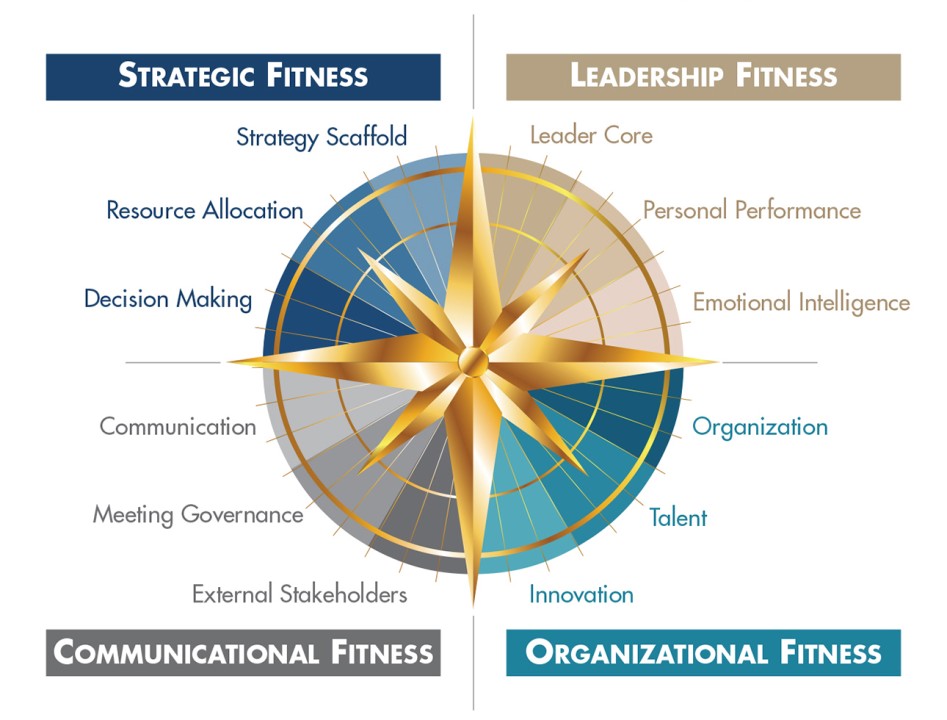
“What’s Your Strategic Approach?” from www.linkedin.com
Keyword mapping is more than just an SEO tactic; it’s a strategic approach to content optimization that can transform your website’s performance. By using tools like SEMrush, you can streamline the process, making it easier to implement and maintain.
Final Thoughts on Implementing a Keyword Mapping Strategy
As we’ve seen, keyword mapping offers a structured way to align your content with the search terms your audience uses. This not only boosts your visibility on search engines but also enhances the user experience on your site.
By focusing on user intent and regularly updating your keyword map, you can ensure your content remains relevant and valuable. Remember, SEO is an ongoing process, and staying informed and adaptable is key to long-term success.
Encouragement to Start Mapping Keywords Today
Don’t wait any longer to start mapping your keywords. With the insights and tools available through SEMrush, you have everything you need to begin optimizing your content and driving more traffic to your site.
Frequently Asked Questions (FAQ)
To help you get started, here are some frequently asked questions about keyword mapping and how it can benefit your SEO strategy.
What is the difference between keyword mapping and keyword research?
Keyword research is the process of identifying potential keywords that your audience is searching for. It’s the first step in understanding what terms are relevant to your niche and have the potential to drive traffic.
Keyword mapping, on the other hand, involves organizing these keywords and assigning them to specific pages on your website. It’s about creating a strategic plan that aligns your content with the search terms your audience uses.
Both processes are essential, but keyword mapping takes your research a step further by implementing it into your site’s structure. For more insights, you can explore this Keyword Mapping for SEO guide.
How long does it take to see results from keyword mapping?
The time it takes to see results from keyword mapping can vary based on several factors, including the competitiveness of your keywords and the quality of your content. However, most websites start to see improvements in traffic and rankings within a few months.
- Initial improvements may be visible within 2-3 months.
- Significant traffic boosts often occur within 6-12 months.
- Regular updates and optimizations can accelerate results.
Patience and consistency are key, as SEO is a long-term strategy.
Can small businesses benefit from keyword mapping?
Absolutely! Small businesses can greatly benefit from keyword mapping, as it allows them to compete with larger companies by targeting niche keywords and optimizing their content effectively.
By focusing on long-tail keywords and local search terms, small businesses can attract a more targeted audience, leading to higher conversion rates and customer engagement.
For example, a local bakery could use keyword mapping to target terms like “gluten-free bakery in [city]” to attract customers specifically looking for those options.
What tools are necessary for effective keyword mapping?
While there are many tools available, SEMrush is highly recommended for its comprehensive suite of features that simplify keyword mapping and analysis.
Other useful tools include:
- Google Keyword Planner for initial keyword research.
- Google Analytics for tracking traffic and user behavior.
- Ahrefs for competitive analysis and backlink insights.
These tools provide valuable data that can inform your keyword mapping strategy and help you make data-driven decisions.
How often should I update my keyword map?
Your keyword map should be a living document that evolves with your business and the digital landscape. Regular updates are essential to ensure your strategy remains effective.
Consider reviewing and updating your keyword map:
- Quarterly, to adjust for seasonal trends and search behavior changes.
- After significant changes in your industry or market.
- Whenever you launch new products or services.
By keeping your keyword map current, you can continue to drive traffic and engage your audience effectively.
Keyword mapping is a crucial step in creating an effective SEO strategy. By organizing your keywords into a structured plan, you can ensure that your content aligns with search intent and targets the right audience. This process helps to avoid keyword cannibalization and improves the overall performance of your website. For those new to this concept, exploring a keyword mapping guide for beginners can provide valuable insights and strategies to optimize your approach.


Leave a Reply