
Key Takeaways
- Google Ads Keyword Planner is a free tool that helps advertisers find and analyze keywords to improve their ad campaigns.
- Accessing the Keyword Planner is straightforward, requiring only a Google Ads account.
- Effective keyword research involves understanding search volume, competition, and incorporating long-tail keywords.
- Organizing keywords by relevance and aligning them with business goals enhances campaign effectiveness.
- Regular optimization and monitoring are crucial for maintaining and improving ad performance.
Introduction to Google Ads Keyword Planner Map

“How to Use Google Keyword Planner …” from unlimitedexposure.com
In the world of digital marketing, keywords are the backbone of successful online campaigns. The Google Ads Keyword Planner is an essential tool for anyone looking to enhance their advertising strategy. It provides valuable insights into keyword performance, helping advertisers target the right audience at the right time.
Imagine you’re trying to sell a new gadget online. Without the right keywords, your ad might not reach the customers interested in buying it. This is where the Keyword Planner comes in. It helps you discover which words and phrases potential customers are using to search for products like yours. By understanding these search terms, you can tailor your ads to match what people are looking for, increasing the chances of attracting clicks and conversions.
“The right keywords can get your ad in front of the right customers, and Google Ads Keyword Planner is here to help.”
Why Keyword Planner is Essential for Advertisers
For advertisers, using the Keyword Planner is like having a roadmap to success. It provides critical data on keyword trends, search volumes, and competition levels. This information allows marketers to make informed decisions about which keywords to target, ensuring their ads are seen by the right audience.
Besides that, the tool helps advertisers estimate the potential cost of targeting specific keywords, enabling them to budget effectively. By understanding the competitive landscape, advertisers can adjust their bids to ensure their ads appear prominently in search results without overspending.
Overview of Keyword Planner Map Features
The Google Ads Keyword Planner offers a range of features designed to simplify the keyword research process. One of its primary functions is to generate keyword ideas based on a product or service. This feature is invaluable for discovering new opportunities to reach potential customers.
Another key feature is the ability to see historical statistics for keywords, such as average monthly searches and competition levels. This data helps advertisers gauge the popularity of specific terms and decide whether they are worth targeting. Additionally, the tool provides forecasts, allowing marketers to predict how changes to their keyword strategy might impact their campaign performance.
Getting Started with Google Ads Keyword Planner
Getting started with the Google Ads Keyword Planner is a straightforward process. If you have a Google Ads account, you already have access to this powerful tool. Here’s how you can begin using it to optimize your campaigns, and for beginners, you might find this keyword mapping guide helpful in understanding the basics.
Accessing the Keyword Planner
First, log in to your Google Ads account. From the main dashboard, click on the “Tools & Settings” icon in the top right corner. Under the “Planning” section, select “Keyword Planner.” This will take you to the tool’s main interface, where you can begin your keyword research journey.
Exploring Interface and Features
Once inside the Keyword Planner, you’ll find two main options: “Discover new keywords” and “Get search volume and forecasts.” The first option allows you to input a product, service, or website to generate a list of relevant keywords. For beginners looking to dive deeper into keyword strategies, you might find this keyword mapping guide particularly useful. The second option provides insights into the search volume and forecast data for specific keywords you already have in mind.
Take some time to familiarize yourself with the interface. The tool is designed to be user-friendly, with clear instructions and helpful tips throughout the process. Don’t hesitate to explore different features and experiment with various keyword combinations to see what works best for your campaign.
Initial Setup for Keyword Planning
Before diving into keyword research, it’s essential to set up your initial parameters. Start by defining your target audience. Consider factors such as location, language, and demographics. This information will help you tailor your keyword strategy to reach the right people. For more guidance, you can explore the Google Ads Help on keyword planning.
Next, think about your campaign goals. Are you looking to increase brand awareness, drive website traffic, or boost sales? Your objectives will influence the types of keywords you choose and how you prioritize them. By aligning your keyword strategy with your business goals, you’ll be better positioned to achieve the results you want.
Incorporating Long-Tail Keywords
Long-tail keywords are specific phrases that typically contain three or more words. They are less competitive than single-word keywords and often indicate a higher intent to purchase. For instance, someone searching for “buy blue running shoes size 10” is more likely to make a purchase than someone searching for just “shoes.” To ensure your website performs well with these keywords, consider scaling site performance with effective caching solutions.
By incorporating long-tail keywords into your strategy, you can attract a more targeted audience. These keywords may have lower search volumes, but they can drive highly relevant traffic to your site. Additionally, long-tail keywords often have lower cost-per-click rates, making them a cost-effective option for advertisers with limited budgets.
Creating a Keyword Strategy with the Planner Map

“SEO Keyword Strategy …” from www.toptal.com
Developing a comprehensive keyword strategy involves more than just selecting a list of keywords. It’s about understanding how these keywords fit into the larger context of your marketing goals and how they can be used to drive traffic and conversions. To get started, you can utilize tools like the Google Ads Keyword Planner to identify and organize your keywords effectively.
Organizing Keywords by Relevance
One of the first steps in creating a keyword strategy is organizing your keywords by relevance. Group similar keywords together based on their themes or topics. This organization will help you create more focused ad groups and improve the overall quality of your campaigns.
Geographical and Language Targeting
Geographical and language targeting are crucial components of an effective keyword strategy. By specifying the locations and languages you want to target, you can ensure that your ads are reaching the right audience. This targeting helps you allocate your budget more efficiently and increases the chances of converting potential customers. For more insights, you can explore the Google Ads Keyword Planner tool.
For example, if you’re a local business in New York, you might want to target keywords that include “New York” or “NYC” to attract customers in your area. Similarly, if you offer services in multiple languages, consider creating separate campaigns for each language to maximize your reach.
Aligning Keywords with Business Goals
Aligning your keywords with your business goals is essential for creating a successful strategy. Consider what you want to achieve with your campaigns and how your chosen keywords can help you get there. Here are some steps to guide you:
- Identify your primary objectives, such as increasing brand awareness or driving sales.
- Select keywords that are directly related to these objectives.
- Prioritize keywords based on their potential impact on your goals.
By aligning your keywords with your business goals, you create a more cohesive strategy that drives meaningful results. For beginners, a comprehensive keyword mapping guide can be an invaluable resource to enhance your strategy.
Optimizing Your Google Ads Campaigns
Optimization is an ongoing process that requires regular monitoring and adjustments. By continually refining your campaigns, you can improve performance and maximize your return on investment. For more insights, explore how to use Keyword Planner effectively.
Start by analyzing your campaign data to identify areas for improvement. Look at metrics such as click-through rates, conversion rates, and cost-per-click to determine which keywords are performing well and which ones need adjustment.
Adjusting Bids Based on Keyword Performance
One way to optimize your campaigns is by adjusting bids based on keyword performance. If a particular keyword is driving a high number of conversions, consider increasing your bid to improve its visibility. Conversely, if a keyword is not performing well, you might lower your bid or remove it from your campaign altogether.
This strategy allows you to allocate your budget more effectively, ensuring that you’re investing in keywords that provide the best return on investment. Regularly reviewing and adjusting your bids can lead to significant improvements in your campaign performance.
Utilizing Negative Keywords
Negative keywords are terms that you exclude from your campaigns to prevent your ads from showing for irrelevant searches. By adding negative keywords, you can reduce wasted spend and improve the relevance of your ads.
For example, if you’re selling high-end luxury watches, you might want to exclude terms like “cheap” or “discount” to avoid attracting customers looking for budget options. Regularly updating your negative keyword list ensures that your ads are reaching the right audience.
Tracking and Measuring Success
Tracking and measuring the success of your campaigns is crucial for ongoing optimization. Use Google Ads’ built-in analytics tools to monitor key performance indicators such as impressions, clicks, and conversions.
By understanding how your campaigns are performing, you can make data-driven decisions to improve results. Set up conversion tracking to measure the effectiveness of your ads in driving desired actions, such as purchases or sign-ups.
Regularly reviewing your campaign data allows you to identify trends, spot opportunities for improvement, and make informed adjustments to your strategy.
- Set clear goals and key performance indicators for your campaigns.
- Use Google Ads’ reporting tools to analyze campaign performance.
- Make data-driven decisions to optimize your strategy.
Common Challenges and Solutions
Even with the best strategies in place, challenges can arise in managing Google Ads campaigns. Understanding common pitfalls and how to address them can help you maintain a successful advertising strategy.
Avoiding Common Mistakes in Keyword Selection
One of the most common mistakes in keyword selection is choosing overly broad or irrelevant keywords. These can lead to wasted spend and low-quality traffic. To avoid this, focus on selecting specific, relevant keywords that align with your business goals. For a detailed comparison of tools that can help with this, check out the best keyword mapping tools.
Additionally, regularly review and update your keyword list to ensure it remains relevant and effective. Keep an eye on industry trends and changes in consumer behavior to stay ahead of the competition.
Adapting to Trends and Market Changes
In the fast-paced world of digital marketing, staying ahead of trends and market changes is crucial. Google Ads Keyword Planner provides the tools needed to adapt to these shifts. By regularly monitoring keyword performance and industry trends, you can adjust your strategy to stay relevant.
For instance, if you notice an increase in search volume for a specific product or service, consider incorporating related keywords into your campaigns. This proactive approach allows you to capitalize on emerging opportunities and maintain a competitive edge.
Continuous Improvement of Strategies
Continuous improvement is the cornerstone of a successful Google Ads strategy. By consistently evaluating and refining your campaigns, you can achieve better results and maximize your return on investment. Regularly reviewing performance data and making informed adjustments ensures your strategy remains effective over time.
Conclusion and Next Steps
The Google Ads Keyword Planner is an invaluable tool for creating and optimizing your advertising strategy. By leveraging its features, you can discover new keyword opportunities, target the right audience, and improve campaign performance.
Summarizing Key Strategies
To summarize, successful keyword planning involves:
- Conducting thorough keyword research to identify relevant terms.
- Organizing keywords by relevance and aligning them with business goals.
- Utilizing long-tail keywords to attract targeted traffic.
- Regularly optimizing campaigns by adjusting bids and incorporating negative keywords.
By following these strategies, you can enhance your Google Ads campaigns and achieve your marketing objectives. For a detailed guide on effective keyword strategies, check out this keyword mapping guide.
Moving Forward with Strategic Planning
As you move forward, continue to monitor industry trends and adjust your keyword strategy accordingly. Stay informed about changes in consumer behavior and emerging opportunities to maintain a competitive advantage.
Remember, the key to success is continuous learning and adaptation. By staying proactive and leveraging the tools at your disposal, you can drive meaningful results and achieve your marketing goals.
Frequently Asked Questions
Here are some common questions about the Google Ads Keyword Planner and how to optimize your strategy effectively.
What is the Google Ads Keyword Planner?
The Google Ads Keyword Planner is a free tool provided by Google that helps advertisers discover new keywords, analyze search volume, and forecast keyword performance. It is an essential resource for anyone looking to optimize their Google Ads campaigns.
How can I find the best keywords for my campaign?
Finding the best keywords involves conducting thorough research using the Keyword Planner. Input relevant terms related to your product or service to generate keyword ideas. Analyze metrics such as search volume and competition to select the most effective keywords for your campaign.
Additionally, consider incorporating long-tail keywords to attract more targeted traffic. These specific phrases often indicate a higher intent to purchase and can lead to better conversion rates.
What are long-tail keywords, and why are they important?
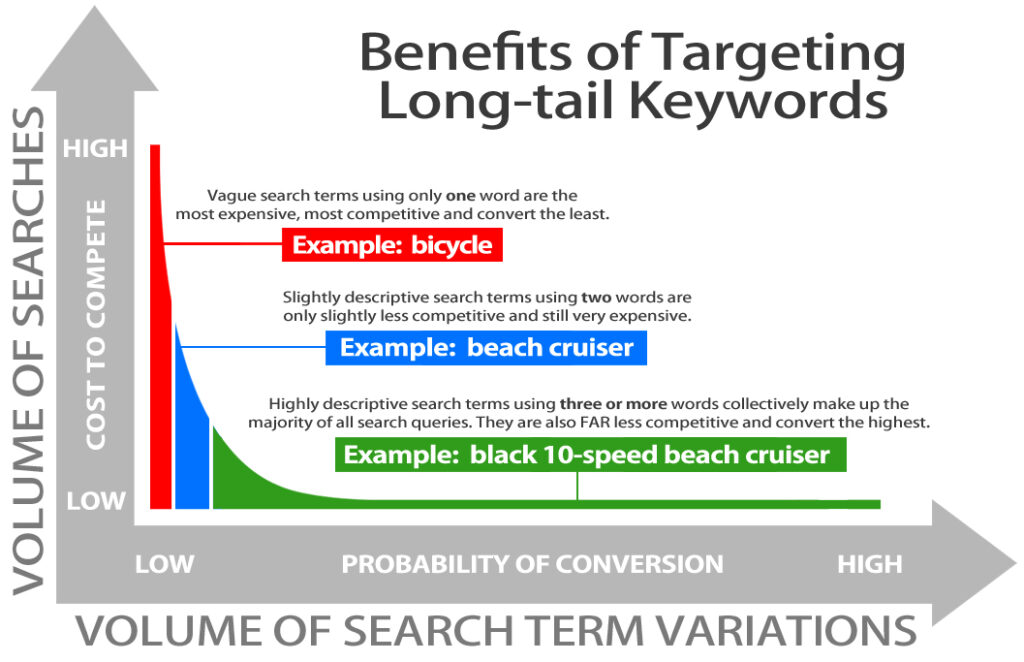
“Long Tailed Keywords and their importance” from businessgrowthguys.com
Long-tail keywords are specific phrases that typically contain three or more words. They are important because they attract highly targeted traffic and often have lower competition levels. This makes them a cost-effective option for advertisers looking to maximize their return on investment.
- Long-tail keywords indicate higher purchase intent.
- They often have lower cost-per-click rates.
- They can drive more relevant traffic to your site.
Incorporating long-tail keywords into your strategy can improve campaign performance and lead to better results.
How do I track the success of my keyword strategy?
Tracking the success of your keyword strategy involves using Google Ads’ analytics tools to monitor key performance indicators such as impressions, clicks, and conversions. Set up conversion tracking to measure the effectiveness of your ads in driving desired actions.
Regularly review your campaign data to identify trends and opportunities for improvement. By making data-driven decisions, you can optimize your strategy and achieve better results.
What should I avoid when using the Keyword Planner?
When using the Keyword Planner, avoid choosing overly broad or irrelevant keywords. These can lead to wasted spend and low-quality traffic. Focus on selecting specific, relevant keywords that align with your business goals. For a deeper understanding of keyword selection, explore the best keyword mapping tools available.
- Avoid selecting keywords with high competition if your budget is limited.
- Regularly update your keyword list to ensure it remains relevant.
- Stay informed about industry trends and changes in consumer behavior.
By avoiding these common pitfalls, you can create a more effective keyword strategy that drives meaningful results.


Leave a Reply