
Key Takeaways
- Duplicator is a popular WordPress plugin for migrating websites effortlessly and securely.
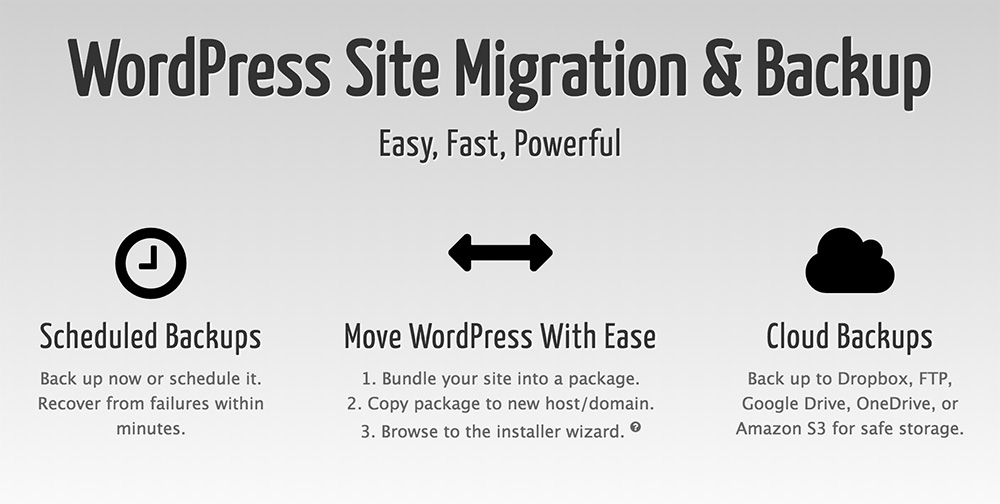
- It simplifies the migration process by creating a package of your site that you can easily move to a new location.
- Preparing for migration involves backing up your site and ensuring compatibility with the new host.
- Common issues during migration include plugin conflicts and broken links, which can be resolved with careful planning.
- User experiences highlight the importance of testing the site post-migration to ensure everything functions correctly.
Duplicator Site Migration Overview
“Duplicator Pro WordPress Backup and …” from wpsoftwebz.com
Moving your website from one host to another can seem like a daunting task. However, with the right tools, it can be a straightforward process. One such tool that stands out is the Duplicator plugin for WordPress. It offers a reliable way to migrate your site, ensuring everything remains intact and functional.
The beauty of Duplicator lies in its simplicity and efficiency. It allows you to create a comprehensive package of your site, including all files, plugins, and database content. This package can then be moved to a new host, where it can be easily extracted and installed. This process ensures that your site remains exactly as it was, without the risk of data loss or corruption.
What is Duplicator and Why It’s Popular
Duplicator is a widely-used WordPress plugin designed to help users migrate, copy, or clone a site from one location to another. It’s particularly popular because it simplifies what can otherwise be a complex process. Instead of manually moving files and databases, Duplicator automates the process, reducing the risk of errors.
Moreover, Duplicator is not just for migration. It also serves as a backup tool, allowing you to create a full snapshot of your site that you can store safely. This dual functionality makes it an invaluable tool for WordPress users.
Key Benefits of Using Duplicator for Site Migration
Using Duplicator for site migration comes with several advantages, including resolving theme conflicts that may arise during the process.
- Simplicity: The plugin offers a user-friendly interface that guides you through the migration process.
- Reliability: It ensures that all site data, including files and databases, are transferred accurately.
- Speed: Duplicator can handle large sites quickly, saving you time and effort.
- Flexibility: Whether you’re moving to a new domain, host, or server, Duplicator can accommodate your needs.
Step-by-Step Guide to Migrating Your Site with Duplicator
Now that we understand the benefits of using Duplicator, let’s dive into the step-by-step guide for migrating your site. Following these steps will ensure a smooth and successful transition.
Preparing for Migration: Steps to Before You Begin
Before you start the migration process, there are a few important steps to take, including ensuring your site is secure. For effective protection, consider following an effective Sucuri security guide to safeguard your website before proceeding.
- Back Up Your Site: Even though Duplicator creates a package of your site, it’s always wise to have a separate backup. This ensures you have a fallback in case anything goes wrong.
- Check Compatibility: Make sure your new host supports the technologies your site relies on, such as PHP versions and database types.
- Clean Up: Remove any unnecessary files or plugins to streamline the migration process.
Installing and Activating the Duplicator Plugin
To begin the migration process, you’ll need to install and activate the Duplicator plugin on your WordPress site. Here’s how:
- Log in to your WordPress admin panel.
- Navigate to Plugins > Add New.
- Search for “Duplicator” in the search bar.
- Click Install Now next to the Duplicator plugin.
- Once installed, click Activate to enable the plugin.
With Duplicator activated, you’re ready to create a package of your site for migration.
Running the Installation Process: A Step-by-Step Walkthrough
Once you have your site package ready, the next step is to upload and install it on your new host. This process is crucial as it ensures your site is set up correctly and ready to go live.
Here’s a step-by-step guide to running the installation process:
- Upload the Package: Transfer the site package and installer file to your new host using an FTP client.
- Access the Installer: Open a web browser and navigate to the installer file. It usually looks like http://yoursite.com/installer.php.
- Run the Installer: Follow the on-screen instructions to complete the installation. This involves setting up your database and verifying the package contents.
- Final Checks: Once the installation is complete, log in to your WordPress dashboard to check that everything is functioning as expected.
Most importantly, ensure you delete the installer files after the process to secure your site. For additional tips on optimizing your site’s performance, consider following this step-by-step guide to maximize speed.
Troubleshooting Common Migration Issues
“Easy WordPress Migration & Backup Plugin” from kairaweb.com
Migrating a site isn’t always a smooth ride. You might encounter some issues along the way, but don’t worry. These common problems can be resolved with a bit of troubleshooting.
One frequent issue is the infamous “500 Internal Server Error.” This can occur if there are mismatches between the old and new server configurations. To fix this, check your server logs for errors and adjust your server settings accordingly.
Another problem you might face is a “Database Connection Error.” This usually happens if the database credentials are incorrect. Double-check the database name, username, and password in your wp-config.php file to resolve this.
Handling Plugin or Theme Conflicts
Plugin or theme conflicts can cause unexpected behavior on your site after migration. To handle this, deactivate all plugins and switch to a default theme. Then, reactivate them one by one to identify the source of the conflict.
If a specific plugin or theme is causing the issue, consider finding an alternative or reaching out to the developer for support. For a comprehensive guide on moving your WordPress site, check out this step-by-step migration tutorial.
Fixing Broken Links After Migration
Broken links are a common issue post-migration, especially if your site URL has changed. They can negatively impact your site’s SEO and user experience. Here’s how to fix them:
- Use a Plugin: Install a plugin like “Broken Link Checker” to identify broken links on your site.
- Update URLs: Use a search and replace tool to update old URLs to the new ones.
- Set Up Redirects: Implement 301 redirects for any changed URLs to guide users to the correct pages.
By addressing broken links promptly, you can maintain your site’s SEO ranking and provide a seamless experience for your visitors.
Real User Experiences with Duplicator
Hearing from real users can provide valuable insights into the migration process with Duplicator. Many users have shared their experiences, highlighting both successes and challenges. For those interested in optimizing their site post-migration, exploring WP Rocket speed optimization tips can be beneficial.
User Testimonials: Success Stories and Challenges
John, a small business owner, successfully migrated his e-commerce site using Duplicator. He said,
“Duplicator made the process so easy. I was able to move my entire site without losing any data or functionality.”
However, not everyone has a seamless experience. Sarah, a blogger, faced issues with plugin conflicts after migration. She noted,
“I had to spend some time troubleshooting plugin issues, but once resolved, the site ran smoothly.”
Lessons Learned: Tips from Other Users
Users often share valuable tips based on their experiences. One common piece of advice is to thoroughly test your site post-migration. This ensures all features work correctly and helps identify any lingering issues.
Another tip is to keep a backup of your site at every stage of the migration process. This provides a safety net in case anything goes wrong, allowing you to revert to a previous version if needed. For additional strategies on enhancing site security, consider exploring our Sucuri Security guide.
Best Practices for Site Migration Success
Successful site migration requires careful planning and execution. By following best practices, you can ensure a smooth transition and avoid potential pitfalls.
Maintaining SEO During Migration
Preserving your site’s SEO is crucial during migration. Here are some strategies to help, including implementing Yoast SEO strategies to maintain site visibility.
- Use 301 Redirects: Redirect old URLs to new ones to maintain link equity.
- Update Sitemaps: Ensure search engines have the latest version of your site structure.
- Monitor Traffic: Keep an eye on your site’s traffic and search rankings to catch any drops early.
By proactively managing SEO, you can minimize the impact of migration on your site’s visibility. For more detailed steps, you can refer to this guide on migrating a WordPress site.
Example: When migrating her fashion blog, Emily set up 301 redirects for all her popular pages. This helped her retain search rankings and traffic post-migration.
Following these best practices can make a significant difference in the success of your site migration.
Testing and Validating Your Site Post-Migration
Once your site migration is complete, it’s crucial to thoroughly test and validate your site. This ensures everything is functioning as expected and there are no hidden issues that could affect user experience or site performance.
Start by navigating through your site as a visitor would. Check all pages, links, and forms to ensure they work correctly. Pay special attention to any dynamic content or interactive elements, such as shopping carts or contact forms, as these are often the most susceptible to issues during migration.
Besides manual testing, consider using automated tools to scan your site for errors. These tools can help identify broken links, missing images, and other issues that might not be immediately visible. By combining both manual and automated testing, you can ensure a comprehensive validation of your site post-migration.
Backing Up Your Site: Why and How Often
“5 Reasons Why you should Website Backup …” from www.aspirationhosting.com
Backing up your site is a critical part of maintaining its health and security. Regular backups ensure that you have a copy of your site data in case of unexpected issues, such as server failures, hacking attempts, or accidental data loss. For a comprehensive guide on safeguarding your site, consider learning how to migrate a WordPress site efficiently.
It’s advisable to back up your site before any major changes, such as updates or migrations. Additionally, setting up automated backups on a daily or weekly basis can provide ongoing protection. Many hosting providers offer built-in backup solutions, but you can also use plugins like Duplicator to manage backups.
Remember, having a reliable backup strategy can save you from potential headaches and ensure that your site can be quickly restored if something goes wrong. For more information, you can learn about how to migrate a WordPress site effectively.
Frequently Asked Questions
When it comes to site migration with Duplicator, users often have several questions. Let’s address some of the most common concerns to provide clarity and guidance.
Is Duplicator suitable for large websites?
Yes, Duplicator is capable of handling large websites. However, it’s important to ensure your hosting environment can accommodate the size of your site package. For very large sites, consider using Duplicator Pro, which offers additional features and optimizations for handling larger data sets.
What should I do if I encounter an error during migration?
If you encounter an error during migration, don’t panic. First, review any error messages provided by Duplicator or your hosting server. These messages often contain clues about what went wrong. Common issues include incorrect database credentials or insufficient server resources. Address these issues based on the error messages and consult Duplicator’s documentation or support for further assistance if needed.
How can I ensure no data is lost during migration?
To prevent data loss, always create a full backup of your site before starting the migration process. Use Duplicator to create a comprehensive package that includes all files, databases, and configurations. Additionally, verify that your new hosting environment meets the requirements for your site and perform thorough testing post-migration to ensure everything transferred correctly.
Are there alternatives to Duplicator for site migration?
Yes, there are several alternatives to Duplicator for site migration. Some popular options include All-in-One WP Migration, UpdraftPlus, and WP Migrate DB. Each of these tools has its own strengths and features, so consider your specific needs and preferences when choosing a migration solution.
Can I use Duplicator for migrating non-WordPress sites?
No, Duplicator is specifically designed for WordPress sites. If you need to migrate a non-WordPress site, you’ll need to explore other tools or methods tailored to the platform you’re using. Always ensure the tool you choose supports the specific requirements of your site.


Leave a Reply